When refrigeration fails, the location fails too. Catch it days early, across every site you run, before the food's gone and the doors are shut.
By the time it reaches you, the damage is done. Dumped inventory, a closed dining room, a health inspection you didn't want. The repair bill is the smallest line on it. And you're at the mercy of whoever got dispatched, with no way to know if the fault was caught early or sat in alarm for a week.
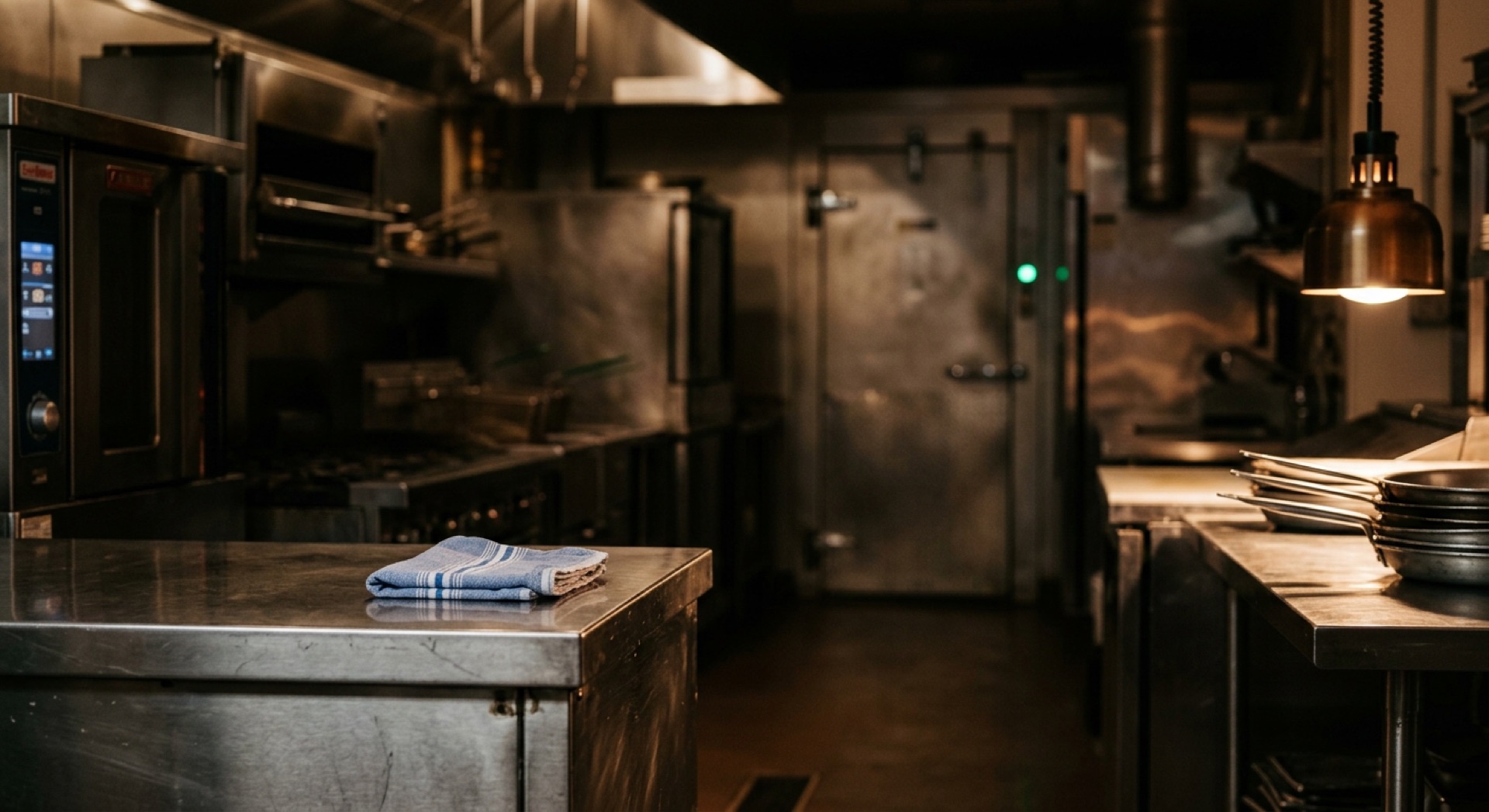
The walk-in compressor has been struggling for days. Saturday night it quits. By the time the crew opens Sunday, a weekend of stock has sat in the danger zone and goes in the dumpster.
Nobody knew the unit was dying until the thermometer did. Across a few hundred locations, that's happening somewhere every week, and you only find out after it costs you.
Hundreds of sites. None of them tell you which one's about to go down.
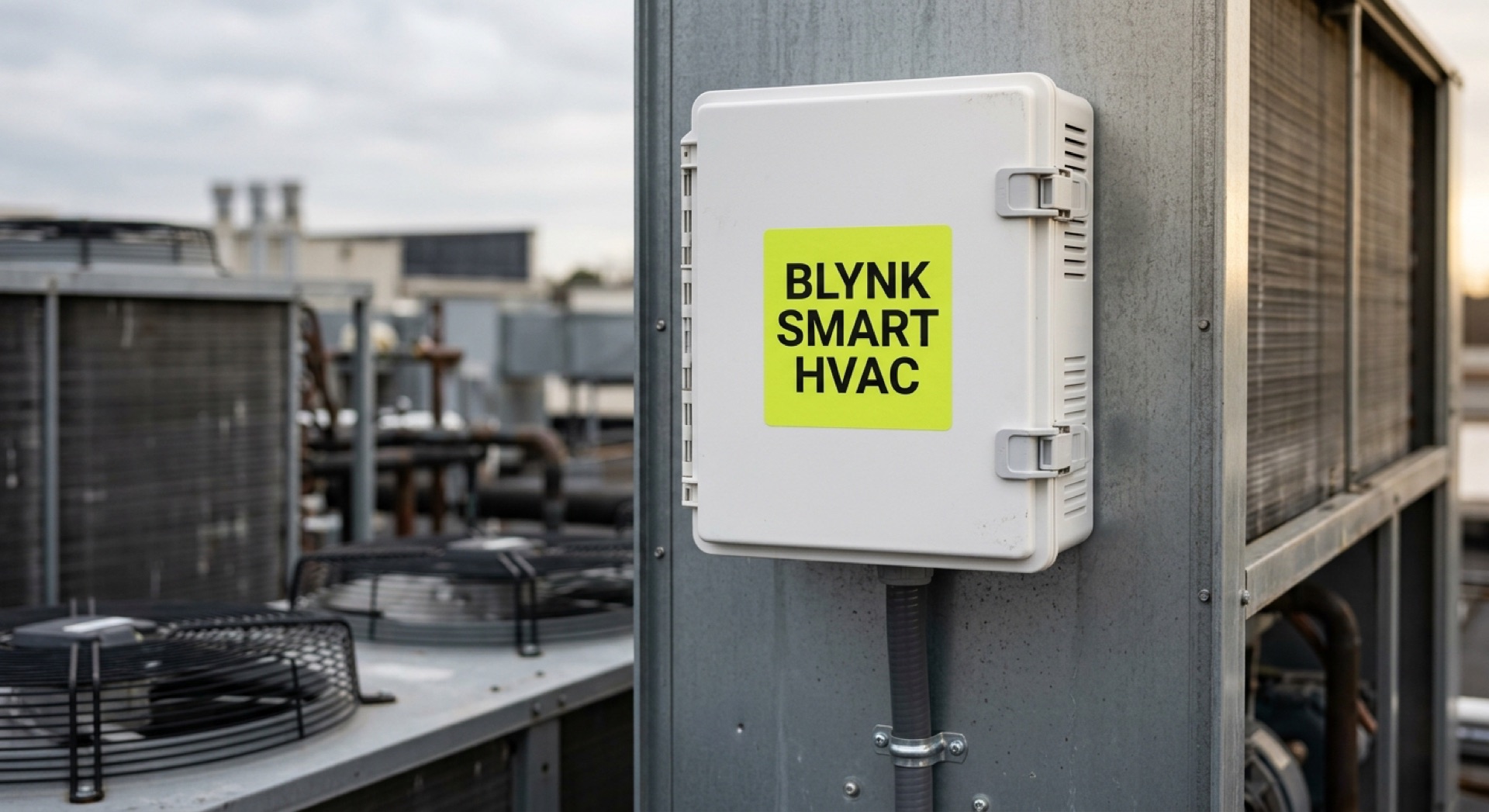
Walk-ins, reach-ins and rooftop units alike. The sensor reads the refrigerant line from outside, so it doesn't care what brand each site happens to run.
When a unit goes down at a busy site, the repair is the cheap part. Industry figures put a single major restaurant equipment failure at $5,000–15,000 once everything's added up.
A walk-in in the danger zone can write off a weekend of inventory in one night.
QSRs earn most of a day's revenue in two windows. Lose one and it's gone.
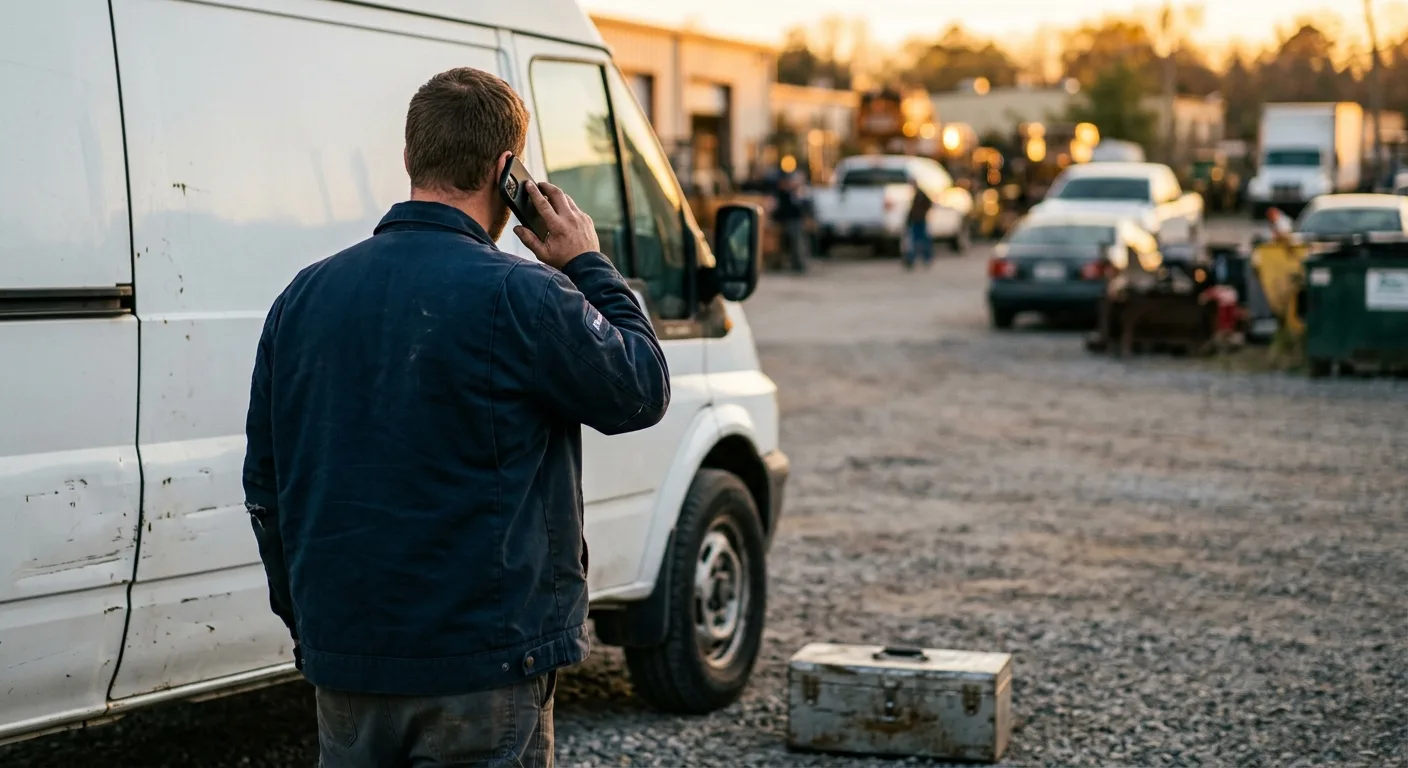
After-hours callouts run double or triple the standard rate, and you pay it blind.
A hot dining room or a failed inspection takes the whole location offline.
Figures are industry estimates, not Blynk numbers. Your real exposure is what we'd measure on your own equipment in a pilot.
The walk-ins and rooftop units a location can't trade without. We read each one, project where it's heading, and flag the fault before it takes the site down.
Your service partner clips it on. No drilling refrigerant lines, no rewiring buildings, no capital project.
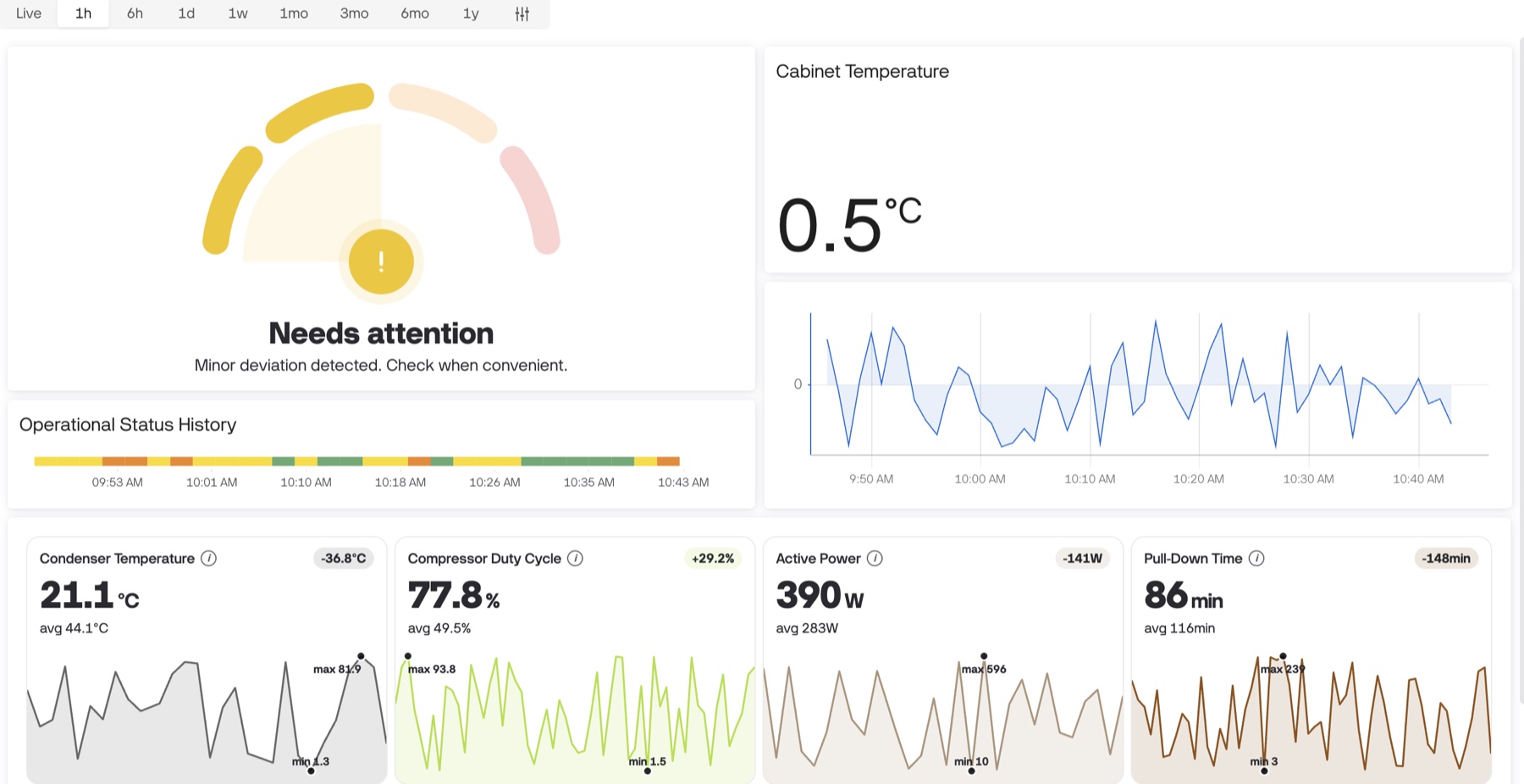
Each reading is projected a week out and checked against the faults that close locations.
A plain alert, what's likely wrong and how long there is, to whoever you choose: your team, your property manager, or the contractor on call.
You control the bid. Make predictive monitoring the standard every service company has to meet, and downtime stops being something you absorb. It becomes something they're accountable for.
You hold the contract. This is how you enforce it.
Every contractor, every region, measured against the same uptime bar.
Tie agreements to response on alerts, not just visits booked.
We predict; your partners close the loop in the field. Switch partners without losing the data.
Overnight failures turn into planned visits before open.
Every location, one view, which site needs attention today.
Dispatched to the right site with the likely fault, not chasing a complaint.
Catch the drift before a walk-in writes off a weekend of stock.
Stop finding out when the doors close.
Start knowing before they do.
You don't want another dashboard to check. You want to know which location needs attention today, and proof your contractors acted on it.
Your service partner deploys it site by site on the contract you already have. No capital project, no store closures, your operators do nothing.
An alert becomes a ticket routed to the vendor on contract, not one more inbox for your team to watch.
It reads temperatures, so a mixed fleet across hundreds of sites is no problem.
Built on Blynk, the platform behind live device fleets. Not a pilot abandoned in five years.
Pick a cluster of locations. We'll put it on the units that close stores, prove the lead time on your own equipment, and show you the cost it catches, in about 90 days.