Trusted by




Most rooftop units aren't connected to a BMS, so problems show up when the unit stops cooling. Small wireless sensors watch each unit around the clock and show your technicians which units are healthy and which need a visit before they fail.
A unit works harder for weeks, then quits at the worst possible moment. By then it's an emergency call-out at emergency rates, with the doors closed while everyone waits. That's the pound of cure.
The warning signs show up weeks ahead, but between maintenance visits nobody is around to catch them. Someone looks at the units every few months. Everything in between is a guess.


A dinner service in full swing. Everything in this room depends on cooling, heating, and air that work.
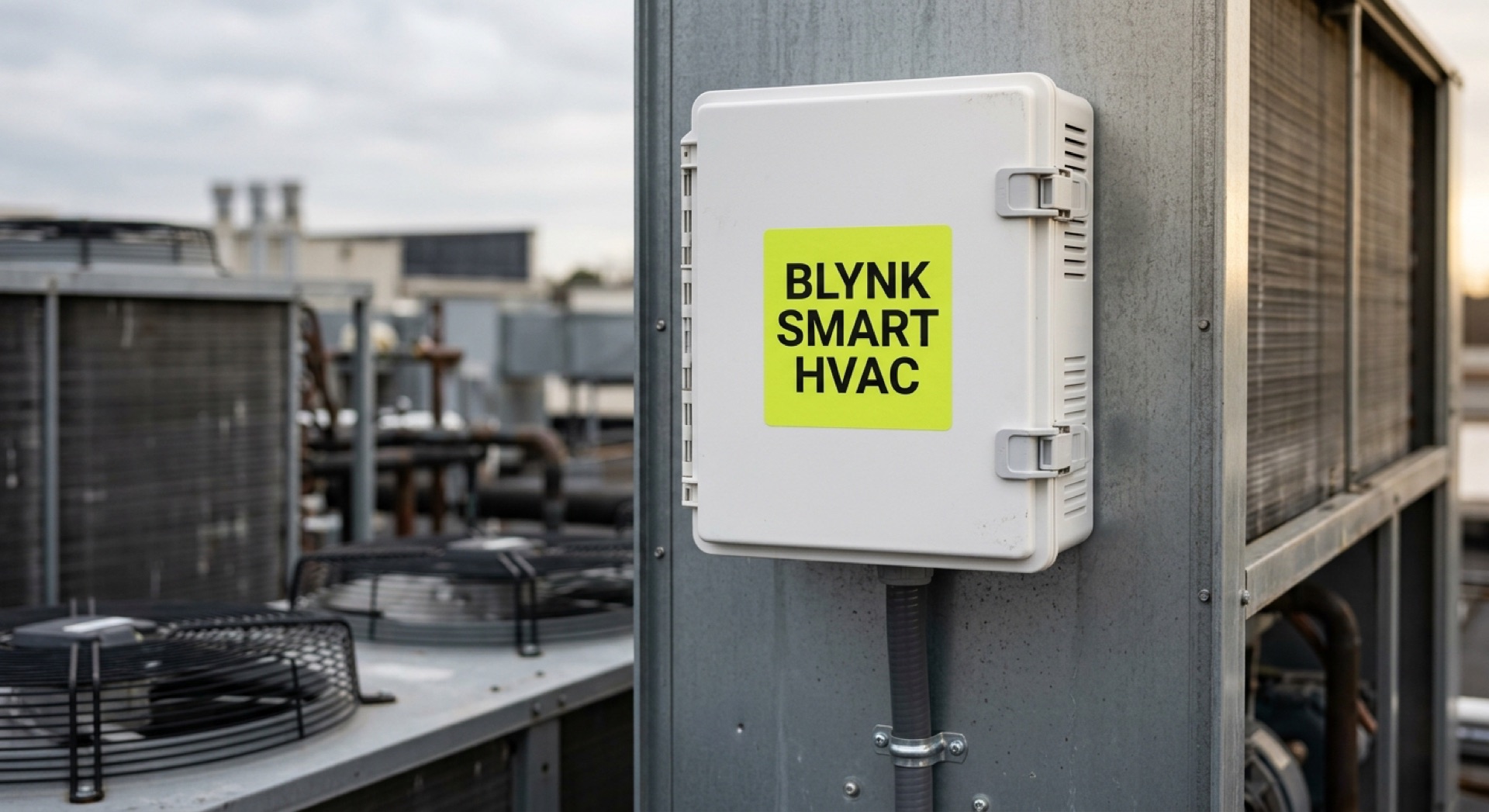
Nine measurement points across the refrigerant and air cycles, watched around the clock, flagging the fault before it takes the unit down.
Clip-on temperature probes and current clamps, fitted during a normal visit. Never opens the refrigerant circuit: no gauges, no lost refrigerant, no mains wiring, no electrician.
Guided setup over Bluetooth, minutes per unit. Plugs into a standard outlet near the unit, and nothing touches the site's network.
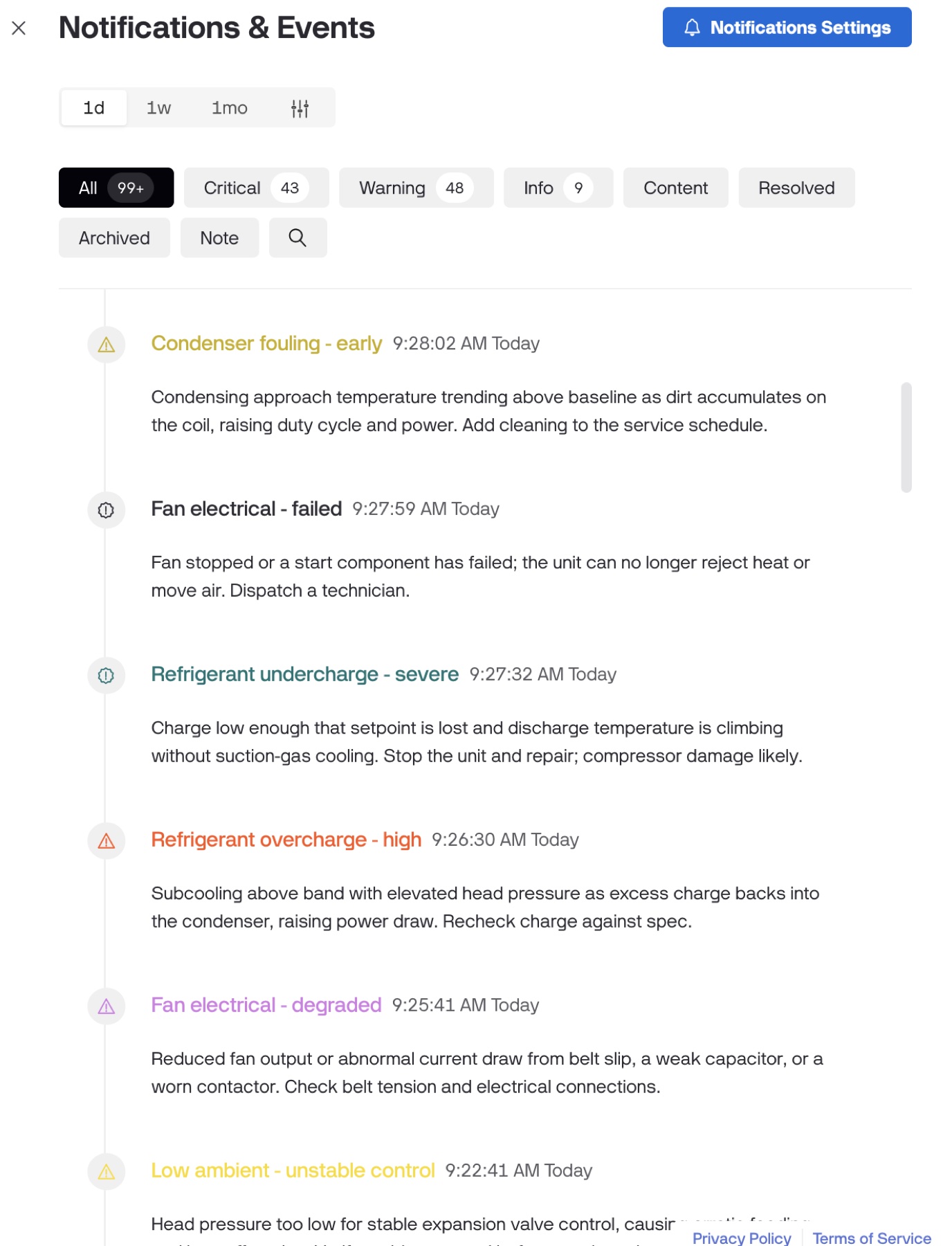
The alert goes to whoever should act, the manager, the service company, or both, in plain language, with the data behind it. Whoever shows up arrives knowing the likely fault.
Nobody needs to memorise these. The service company knows what they mean, so hand over the list and ask if it covers the failures they see most. Every alert carries the evidence behind it.
Alerts become scheduled work: a repair booked on the calendar instead of an emergency on the equipment's. The same watching covers air handling units too: filter loading, UV lamp output, and fan motor current, tracked the same way. And the platform underneath is Blynk's, already serving HVAC fleets today.
When something needs attention, the alert says what was detected, what it means, and what to say when the call gets made. No jargon, no sensor codes.
The technician arrives knowing what to look at, the visit is shorter, and the quote makes sense to everyone reading it.
Monitoring doesn't replace the service relationship; it gives both sides the same history. And in regulated environments, that history is the compliance record: what the air and the temperatures looked like on the fourteenth of February, answered in one click.
No surprise closures, no spoiled stock, no emergency call-out rates.
The expensive failure gets caught while it's still a small, planned repair. Units that run right also run efficiently.
People notice a warm room before you do. Catch the drift early and the room stays the way you set it.
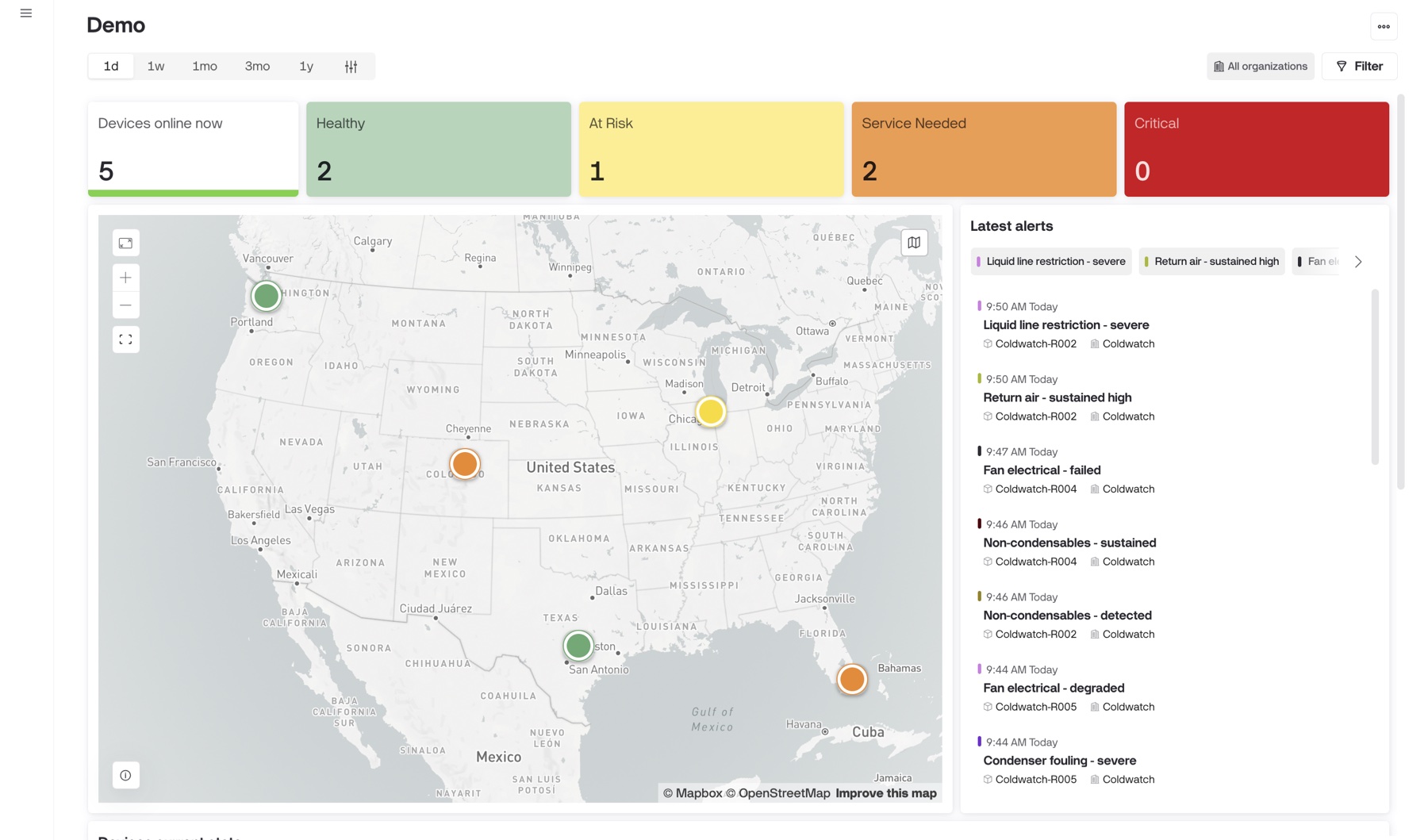
Every unit across every site, sorted by what needs a look this week. Plain language instead of sensor codes, and a running count of what got caught before it broke. Green means green.
Someone looks at the units on a schedule. Everything in between is a guess, and failures don't respect the calendar.
Checked continuously, all year. Problems get caught while they're still small and cheap.
A closed site costs more
than any repair.
Margins on committed contracts, techs that roll knowing the fault, and a tier the competition can't quote.
For HVAC professionals →Loss prevention as part of the service, under your brand if you want it, with the same team you have today.
For facility management →Pick a time that suits. We'll walk through what it would catch on your units, what the alerts look like, and what a rollout takes.
Leave your question and an email. We read everything and reply directly, no sequence, no cadence.
The failure library, as it grows.
Guides on catching HVAC failures early. No schedule, no spam.
Ask us anything
We're not online right now, but leave a question and your email and we'll get back to you quickly.