Trusted by





Connect every air purification unit you service. When a filter starts loading faster than expected, a UV lamp dips below effective output, or a fan motor draws more current than it should, you know before the air quality drops.
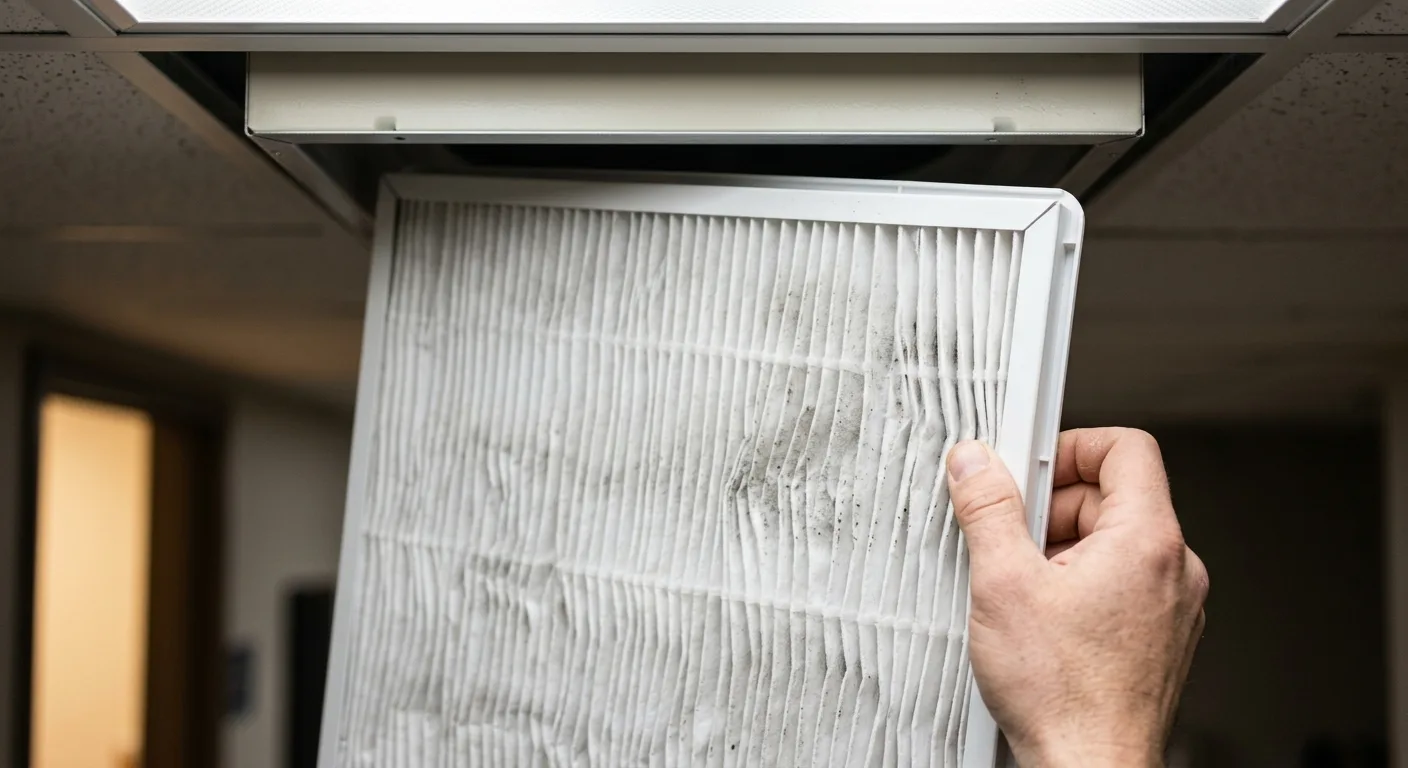
A failing filter doesn't announce itself. The unit keeps running. The fan keeps turning. The indicator light, if there is one, stays green because it's on a schedule, not on a reading. What's actually happening inside, the pressure building behind a loaded HEPA stage, the UV lamp that crossed below therapeutic output three months ago, the motor drawing 12% more current than it did in January, none of that is visible until it becomes a problem.
A clinical services manager calls to say the air quality in Ward B failed the morning audit. You were there six weeks ago. The filter you left in was rated for ninety days. What you didn't know was that ward had been running at double its normal occupancy since March.
And when it becomes a problem in a hospital ward, a pharmaceutical cleanroom, a school, or a food processing line, it isn't a maintenance call. It's a compliance event. The kind that ends contracts and starts investigations.
Read the unit, track what's actually loading and degrading inside it, flag the issue before the air quality drops.
A sensor reads differential pressure across the filter stages and current draw at the fan motor. For UV systems, lamp runtime and output signal feed directly in. No opening the unit, no specialist tools, no system integration.
Each reading is tracked against the unit's own baseline and projected forward. Loading rates, lamp degradation curves, motor current drift. The platform knows what normal looks like for that unit in that environment.
A plain alert. Which unit, which site, what's degrading, how long you've got. Into dispatch, not a dashboard nobody checks.
The one you almost never get to make, before anything's failed:
“Morning. Unit 4 in Ward B is loading faster than usual. Looks like occupancy has been up. Replacement's on order, someone there by Tuesday. No disruption.”
That call tells the facilities manager you know their building better than they do. That nothing happens without you knowing first. That the contract they're paying for is actually working between visits, not just during them.
You're not asking them to trust you. You're showing them the loading curve you saw it on. The bill stops being a surprise. The "was that really necessary" conversation stops happening.
In regulated environments, "we service it every quarter" is not a compliance record. An auditor wants to know what the air quality looked like on the fourteenth of February. What the filter loading rate was across March. When the UV lamp was last at full output.
Every unit keeps its own continuous history. Filter loading over time. Fan motor current by date. Lamp runtime hours logged from day one. When a compliance inspection arrives, you pull the unit history and show them exactly what was happening, when you caught it, and what you did about it.
Degradation is flagged and resolved before it reaches audit. You arrive with evidence, not apologies.
They arrive with the loading data, the lamp runtime, the motor history. Not a unit number and a vague complaint.
No more replacing a filter that had three weeks left. No more leaving one in that failed two weeks ago. Replace on actual loading, not a schedule.
Sell monitored air quality as a tier no generalist contractor can match. Especially into healthcare, pharma, and education.
Stop competing on who shows up fastest.
Start being the one who already knew.
Right now, the default for most sites is a time-based schedule that ignores actual loading, a building manager who notices the filter looks dirty and calls whoever is closest, or nothing at all until air quality visibly degrades. In all three cases, someone other than you is deciding when the filter gets replaced and who supplies it.
Blynk closes that loop. When a filter reaches a defined loading threshold, not a date but an actual reading, the platform flags the replacement need. The right filter for that specific unit, at that specific site, arrives before the current one breaches its operating limit.
Differential pressure and face velocity tracked continuously. The platform knows actual filter loading, not assumed loading. It knows that Ward B loads in six weeks what Building D loads in fourteen.
Remaining filter life calculated from the observed loading rate in that specific environment. A replenishment signal generates ten to fourteen days before the filter needs replacing.
The signal triggers an order through your fulfilment. Right filter, right media grade, right unit. Delivered to site on your schedule. The technician visit is pre-booked before the filter breaches.
When the building manager places the order, they buy what's available, not what's specified. Blynk makes the replenishment signal route through your supply chain. Every filter sale comes back to you.
A quarterly schedule across a mixed portfolio means some filters are replaced six weeks early and some are left in three weeks too long. Actual filter life varies forty to sixty percent from the scheduled interval.
Once replenishment is automated, the commercial model converts naturally. The building operator pays a fixed monthly fee. You manage the inventory, timing, and delivery. Predictable revenue.
The unit creates the need. This makes sure you capture the sale.
You already sell maintenance contracts. This adds a rung on top: the same visits, plus continuous monitoring between them, plus automated replenishment. New recurring revenue on the customers you already have.
Fix it when it fails.
Service on a schedule.
Watched between visits. Filters on auto.
It pays for itself the first contract it helps you keep. The first compliance call it helps you avoid.
Everyone else sells your customers a dashboard to ignore. This one they never see. It's built for the only people who act on it: your crew and your dispatch.
It reads differential pressure and motor current. The brand on the front doesn't matter.
No BMS, no building controls, no IT project. Connect the sensor. Walk away.
The compliance audit trail is built in. FDA, ISO 14644, WELL Building Standard. Every reading, timestamped, retained.
Every unit, every site, every filter stage. Which one needs you today.
Tell us what you service: the unit types, the environments, the service intervals you're currently running. We'll show you the degradation it would have flagged, the filter replacements it would have triggered, and what each one was worth.